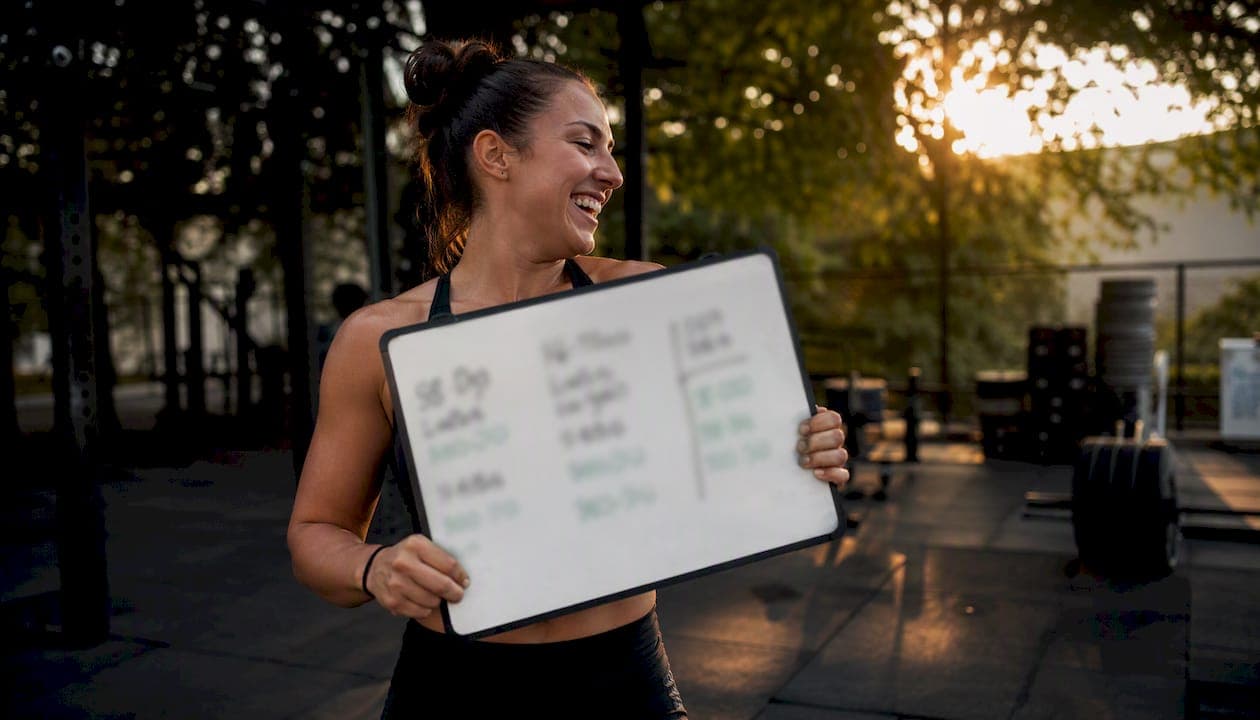
Client success stories are the highest-converting marketing asset most gym owners already have and consistently underuse. When structured with real metrics, a clear timeline, and authentic context, they generate new leads, lift landing-page conversion, and reduce member churn simultaneously. Start this week by identifying one recent member win and scheduling a 3-minute interview with a before-and-after photo.
The core claim: A single well-documented fitness transformation story, published across your website, social channels, and paid ads, can compress a prospect's decision timeline from weeks to days by giving them a concrete, believable version of the result they want.
Pro Tip: Ask the client to name one specific number before the interview ends: a weight dropped, a deadlift PR, a pant size, a blood-pressure reading. That number is the headline of every asset you build from the story.
Key Takeaways
Client success stories are the most cost-efficient marketing asset a gym can produce, provided each story is built on specific metrics, a clear timeline, and a signed consent release.
| Point | Details |
|---|---|
| Specificity drives conversion | Stories with named metrics (lbs, PRs, weeks) outperform vague testimonials in ads and on landing pages. |
| One interview, five assets | A single 20-minute session produces a case study, reel, ad creative, email spotlight, and press pitch. |
| Measure from day one | Tag every story asset with UTMs and track CTR, landing-page conversion, and trial signups weekly. |
| Ethics protect long-term trust | Signed releases, accurate photos, and medical disclaimers are non-negotiable before any story goes live. |
| Enochmarketing | Specializes in capturing, packaging, and activating gym member stories into paid-ad and funnel campaigns for CrossFit gyms across the United States. |
Table of Contents
- The real benefits of fitness client success stories for your gym
- What every credible fitness story needs to include
- Where and how to publish stories for maximum reach
- How to capture, package, and prove the ROI of your stories
- Mistakes that kill credibility and how to fix them
- What gym owners consistently get wrong about story marketing
- Enochmarketing turns your member wins into a full acquisition system
- Sources
The real benefits of fitness client success stories for your gym
Publishing client success stories does more than build goodwill. Each story functions as a multi-channel asset that feeds your acquisition funnel, supports retention, and gives your paid media team creative that actually converts. Here is how the impact breaks down across the business.
1. Lead generation through social proof
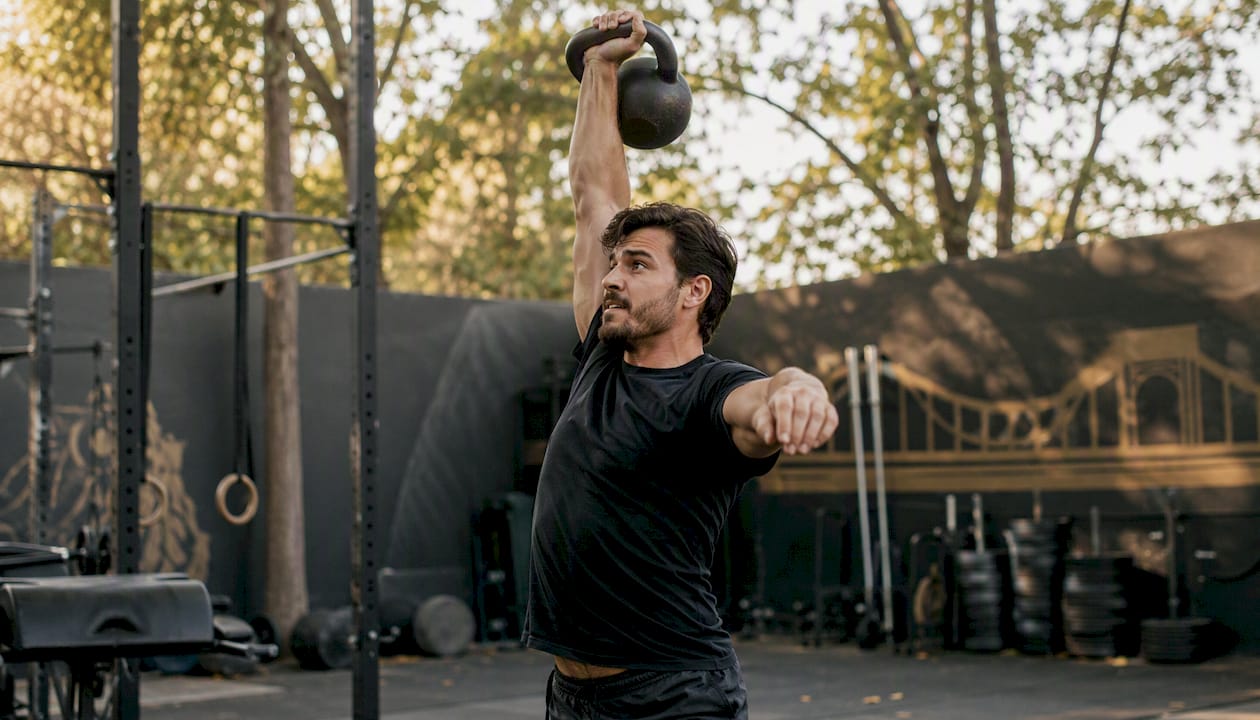
Prospects searching for a gym are not looking for a feature list. They are looking for evidence that someone like them got a result they want. A story with a real name, a photo, and a measurable outcome (say, a significant amount of weight lost in a measurable timeframe) answers that question faster than any ad copy. Well-constructed case studies create empathy and help prospects visualize themselves achieving similar results, which is the mechanism behind their outsized persuasion power. Watch for an uptick in organic form fills and direct messages within two to four weeks of publishing a story on your highest-traffic page.
2. Higher landing-page conversion
A dedicated testimonial or results page converts cold traffic better than a generic "Join Now" page because it reduces skepticism before the visitor reaches your CTA. The KPI to track is landing-page conversion rate. Add UTM parameters to every story-driven link so you can isolate traffic from the story versus other sources.
3. Better ad creative performance
Story-driven ad creative consistently outperforms generic gym imagery in click-through rate. A 30-second video of a member describing their turning point, paired with a before-and-after photo, gives Meta and Google algorithms a human face to optimize around. Testimonials are most persuasive when they include specific metrics, named trainers or locations, and are repackaged for multiple channels. Monitor CTR and cost-per-lead weekly once a story-based creative goes live.
4. Improved trial-to-member conversion
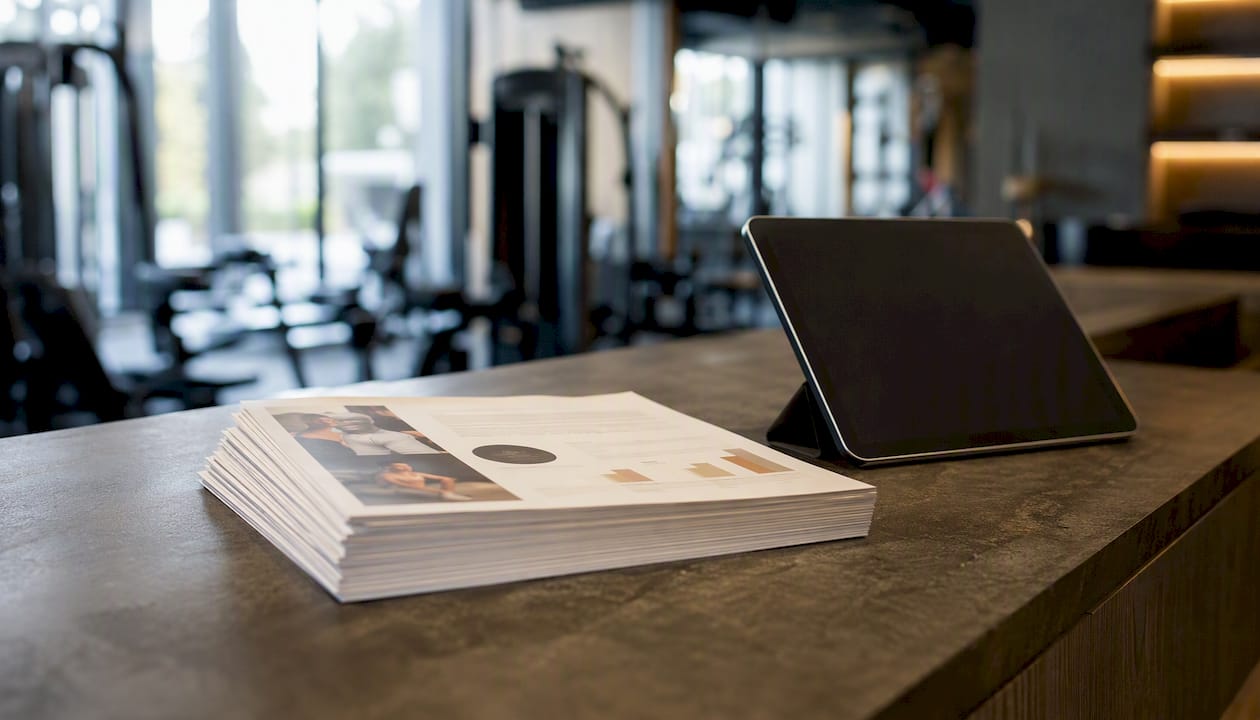
When a prospect attends a free class or trial session, a printed or digital story from a member who started in the same position closes the gap between interest and commitment. Place a one-page story card at the front desk or link it in your post-trial follow-up email. The conversion metric to watch is trial-to-paid-member rate over a 30-day window.
5. Member retention and renewal lift
Customer success stories strengthen relationships and increase retention and advocacy when they help members see their own progress reflected in others. Featuring a current member's story in your monthly email or on your community board signals that the gym notices and celebrates progress, which reinforces belonging. Retention lift takes three to six months to show up in churn data, so set a baseline before you launch a story program.
6. Upsell and cross-sell opportunities
A story that highlights a member's progression from group classes to personal training, or from standard membership to nutrition coaching, plants the idea of that upgrade in every reader's mind. The story does the selling without a hard pitch. Track attach rate on premium services in the 60 days after publishing an upsell-oriented story.
7. PR and brand trust
Local press, fitness publications, and community blogs regularly feature transformation stories. A story like the one covered by Rockwall Times, which highlighted 365-day consistency, injury adaptations, and community support, earned organic coverage that no paid ad budget can replicate. Pitch two or three of your strongest stories to local outlets annually.
The benefits that show up fastest are ad CTR and landing-page conversion. Retention lift and PR coverage take longer but carry more durable value. TSIA's 2026 research on customer success confirms that connecting stories to measurable financial outcomes, specifically reduced churn and improved net revenue retention, is now the standard expectation for any customer-facing program.
What every credible fitness story needs to include
A story without specifics is just a compliment. The difference between a testimonial that converts and one that gets scrolled past is the presence of concrete, verifiable detail. Use this checklist every time.
Essential content checklist:
- Client first name and a clear, current photo (ideally a before-and-after pair)
- A short direct quote in the client's own words, minimally edited
- Measurable outcomes: pounds lost or gained, body-fat percentage change, strength PRs, cardiovascular benchmarks, or a health marker (blood pressure, resting heart rate)
- Timeline: start date, end date, and total duration
- Context: starting point, injury history, lifestyle constraints, or prior attempts
- Program or service used (group class, personal training, nutrition coaching)
- Trainer name and brief role description
- Signed consent and photo release on file
- Medical clearance note when the story involves a health condition or significant weight change
Personal trainers accelerate measurable fitness outcomes and support long-term adherence through individualized programming and progress tracking, so naming the trainer and describing their approach adds credibility that a generic "the gym helped me" quote cannot.
Story wireframe (use this during interviews):
- Opening sentence: who the client was before, in their own words
- Turning point: what made them start or commit
- Quantified outcome: the specific result with a number and a timeframe
- Trainer or program role: what the coach or class structure contributed
- Client quote: one or two sentences in their voice
- CTA: one line inviting the reader to take the same first step
Practical tips for getting the specifics:
- Ask "What number surprised you most?" rather than "How much weight did you lose?" It surfaces the metric the client is proudest of.
- Request a before-and-after photo and a 60-second phone video clip at the same session.
- Ask what changed week-to-week in the first month, not just the final result. Early wins make the story believable.
- Use fitness assessments your trainers already run (body composition, movement screens, cardiovascular benchmarks) as the data source so the client does not have to recall numbers from memory.
Stories that also capture mindset shifts, not just physical metrics, tend to resonate with prospects who are not yet convinced they can change. Including a line about the role of mindset in sustaining results makes a story feel complete rather than transactional.
Where and how to publish stories for maximum reach
The format that works on your website is not the same one that works in a paid ad. Match the format to the channel, and you get more out of every story you collect.
For low-cost production, a single phone interview gives you everything: record the conversation for the quote, shoot a 60-second vertical clip for reels, and photograph the before-and-after. From that one session you can build a website case study, two or three social posts, an email spotlight, and an ad creative brief. Boosting gym memberships through social media works best when story content is sliced into micro-assets rather than published once and forgotten.
How to capture, package, and prove the ROI of your stories
Collecting a story is only half the job. The other half is turning it into trackable marketing assets and demonstrating its business impact.
Interview question sequence:
- "What was your situation before you joined, and what had you already tried?"
- "What was the moment you decided to commit?"
- "What specific result are you most proud of, and how long did it take?"
- "What did your coach or the program do that made the difference?"
- "What would you tell someone who is on the fence about starting?"
Consent and ethics checklist:
- Use a written photo and story release that names the specific channels where content will appear.
- Store signed releases in a secure digital folder (Google Drive with restricted access works).
- Offer anonymization options: first name only, initials, or "member since 2024."
- Add a medical disclaimer line when the story involves a diagnosed condition, significant weight change, or injury recovery: "Results achieved under professional supervision. Individual results vary."
- Never edit a quote to change its meaning. Tighten for length only.
Measurement plan:
| KPI | Measurement Method | Review Cadence |
|---|---|---|
| Ad CTR | Meta / Google Ads dashboard | Weekly |
| Landing-page conversion rate | Google Analytics 4 goal events | Weekly |
| Trial signups | CRM or intake form count | Weekly |
| Lead-to-member conversion | CRM pipeline stage tracking | Monthly |
| Member retention / churn | Monthly membership report | Quarterly |
Tag every story-driven asset with UTM parameters (e.g., utm_content=story_sarah_jan26) so you can isolate its contribution in Google Analytics 4. For paid ads, run a simple A/B test: one ad set using a story-based creative, one using your standard gym imagery, identical audience and budget. Two weeks of data will tell you whether the story creative is pulling its weight.
90-day roadmap:
- Weeks 1–2: Identify three members with strong, quantified results. Schedule interviews.
- Weeks 3–4: Conduct interviews, collect photos and video clips, obtain signed releases.
- Weeks 5–6: Produce assets: one full case study per member, one reel, one ad creative brief.
- Weeks 7–10: Publish the website case studies, launch one story-driven ad A/B test, send one email spotlight.
- Weeks 11–12: Review CTR, conversion rate, and trial signups. Report findings to stakeholders.
The gym member storytelling system Enochmarketing uses follows this same audit-to-activation sequence, adapted for each gym's existing member base and channel mix.
Mistakes that kill credibility and how to fix them
The fastest way to undermine a success story program is to cut corners on specificity or consent. These are the errors that show up most often.
Vague claims without metrics. "I lost a lot of weight and feel great" tells a prospect nothing they can hold onto. Replace it with the actual number: "I dropped 28 lbs in 14 weeks and hit a 185-lb deadlift for the first time." If the client does not remember exact numbers, pull them from the trainer's progress notes.
Staged or misleading photos. Lighting changes, posture differences, and clothing swaps that exaggerate results erode trust the moment a skeptical prospect notices. Use consistent lighting, the same clothing style, and a neutral background for both photos.
Missing consent. Publishing a photo or quote without a signed release exposes the gym to liability. If you have existing testimonials without releases, contact those members now and get retroactive sign-off or pull the content.
Medical claims without clearance. A story that implies the gym cured a condition (diabetes, hypertension, chronic pain) without a medical disclaimer creates regulatory risk. Add the standard disclaimer line and, where possible, note that the member worked alongside a healthcare provider.
Over-edited quotes. A quote that sounds like marketing copy rather than a real person talking loses the authenticity that makes testimonials work. Edit only for length, never for tone.
The ethical guardrail that matters most: Never fabricate a result, even a plausible one. One invented metric, discovered by a skeptical prospect, destroys the credibility of every real story you have ever published.
Pro Tip: Before publishing any story, ask one person outside your team to read it and flag anything that sounds too polished, too vague, or too good to be true. That outside read catches the errors you stop seeing after the third revision.
What gym owners consistently get wrong about story marketing
The conventional wisdom says "collect more testimonials." The gyms that actually grow from story marketing do something different: they treat each story as a campaign asset, not a one-time post.
Most gym owners publish a testimonial on their website, share it once on Instagram, and consider the job done. The story then sits idle while the gym continues spending on ads that use generic stock imagery. The real opportunity is in systematic reuse: one interview session produces a website case study, a reel, an email spotlight, an ad creative, and a press pitch. That is five assets from a single 20-minute conversation.
There is also a selection bias problem. Gyms tend to feature their most dramatic transformations, which can actually reduce relatability for the average prospect. A story about someone who lost 8 lbs, got consistent for the first time in years, and now shows up three times a week often converts better than a 100-lb weight-loss story, because more prospects see themselves in it. 1-on-1 coaching outcomes are worth featuring precisely because they show the kind of steady, coached progress that most members actually experience.
The best fitness stories frame the trainer and program as collaborative partners, not miracle workers. A co-created narrative, where the client did the work and the coach provided the structure, is more credible and more durable than a hero-saves-client arc.
Enochmarketing turns your member wins into a full acquisition system
Your gym already has the raw material: members who have changed their lives inside your facility. The gap is usually in capture, packaging, and paid activation, not in the stories themselves.
Enochmarketing works exclusively with CrossFit gyms and fitness studios across the United States, which means every service, from story capture workflows and creative production to Meta and Google ad activation and funnel measurement, is built around how fitness buyers actually make decisions. You get a done-for-you system that turns a 20-minute member interview into a website case study, a paid ad creative, and a tracked email sequence, with KPIs tied to trial signups and member conversion from day one. No generic agency learning curve, no lock-in contract.
Book a free strategy session to see how your current member wins can be packaged into a lead-generation campaign this quarter.
Sources
On proving ROI from customer success: TSIA's research argues that connecting member stories to measurable financial outcomes, specifically reduced churn and improved net revenue retention, is now the baseline expectation for any customer-facing program.
- The State of Customer Success 2026: Proving Value in the Age of AI Economics™ | TSIA
- Why a Personal Trainer Is Key to Achieving Fitness Success | YMCA Ocean Community
- Fitness Client Testimonials: A Trainer’s Guide – Grind House
- Customer success: What it is, why it matters, and how to achieve it | Zendesk
- TOP 7 REASONS TO WRITE SUCCESS STORIES