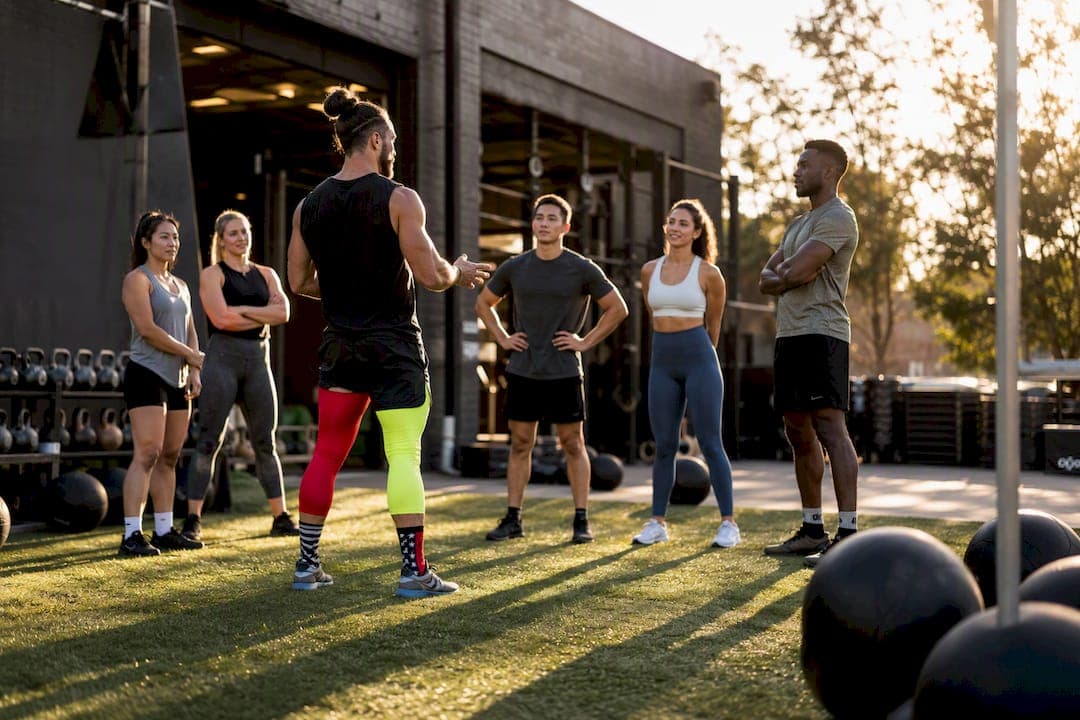
The best gym open house formula is simple: run a high-volume event built around one compelling, event-only offer, then hit every attendee with a structured 48-hour follow-up sequence. Skip the follow-up and you're just throwing a party. The three highest-impact formats are a bring-a-friend night (built for referrals), a themed demo day with a single event-only offer and a community festival co-hosted with local vendors. Target 15 to 20 sign-ups for a small studio, 25 to 40 for a mid-size gym, and 50-plus for a large facility with multiple event zones.
- Bring-a-friend night
- Themed demo day with one clear offer
- Community festival with partner vendors
- Staff the door with a dedicated greeter who captures contact info before anyone tours the floor.
Pro Tip: Put a tablet or sign-in sheet at the entrance, not the front desk. Every guest gets logged before they see a single kettlebell.
Key Takeaways
A gym open house converts best when it's run as a structured sales channel with a clear offer, defined staffing roles, and a 48-hour follow-up sequence.
| Point | Details |
|---|---|
| Pick one primary goal | Choose trials, paid enrollments, or nurture leads before you plan anything else. |
| Give it four to six weeks | Larger festival-style events need six to eight weeks of promotional runway. |
| Lead with value, not discounts | Offer a free session or waived fee instead of a percentage off. |
| Follow up within 48 hours | Combine a text, an email, and a personal call to close most attendees. |
| Get funnel support | Enoch Marketing helps map open house traffic into a tracked paid acquisition funnel. |
Table of Contents
- What Is a Gym Open House, and What Should It Achieve?
- When Should You Schedule Your Open House?
- What Are the Best Gym Open House Ideas by Goal?
- What Does a Sample Open House Schedule Look Like?
- How Do You Promote Your Gym Open House?
- What Incentives and Registration Process Convert Best?
- How Do You Staff and Run the Day Smoothly?
- What Should Your Lead Capture Form and Follow-Up Sequence Look Like?
- How Do You Measure Success and Plan Your Next Event?
- An Agency's View: Mapping the Open House to a Paid Funnel
- What Studio Owners Get Wrong About Open Houses
- Need Help Turning Your Open House Into a Full Funnel?
- Frequently Asked Questions
- Sources
What Is a Gym Open House, and What Should It Achieve?
A gym open house is a structured, invite-anyone event built around tours, sample workouts, and staff interaction, distinct from a members-only party or a single bring-a-friend night. It's bigger in scope and aimed at people who've never set foot in your facility.
Pick one primary goal before you plan anything else: trial sign-ups (best for gyms under six months old), immediate paid enrollments (best for established brands with a proven sales process), or qualified leads for nurture (best when your close rate needs coaching before you scale volume). Events that skip this step and just aim for "good turnout" tend to underperform, because open houses that work are run like a structured sales channel with targets set in advance, not left to chance.
| Point | Details |
|---|---|
| Primary goal | Choose one: trials, paid enrollments, or nurture leads. |
| Supporting metric | Pair your primary goal with a secondary one, like tour completion rate. |
When Should You Schedule Your Open House?
Weekend mornings between 9 and 11 AM draw families and casual visitors; weekday evenings from 5:30 to 7:30 PM work better for working professionals testing a new routine before or after work. Neither slot is universally right. It depends on who you're trying to reach.
- Check your local school and holiday calendar for conflicts.
- Factor in weather. Outdoor demo stations need a rain contingency.
- Give yourself a minimum of four weeks of promotional runway, and six to eight weeks for a large festival-style event, since detailed multi-week planning consistently produces stronger turnout.
- Avoid the trap of scheduling against a major local event, a holiday weekend, or a competing gym's own promotion.
Pro Tip: Poll your current members on the two best time slots before you lock a date. They'll tell you exactly when their friends are actually free.
What Are the Best Gym Open House Ideas by Goal?
Group your ideas by what you actually need them to do. Acquisition ideas bring in strangers. Retention ideas re-engage your existing base and turn them into referral engines. Community ideas build local trust that pays off slower but compounds.
Demo classes and sample sessions. Run three or four 20-minute mini classes back to back, covering strength, conditioning, and mobility. Setup is minimal, just your existing equipment and a coach who can teach to beginners. This converts best with people who've never tried group fitness and need to feel the vibe before they commit.
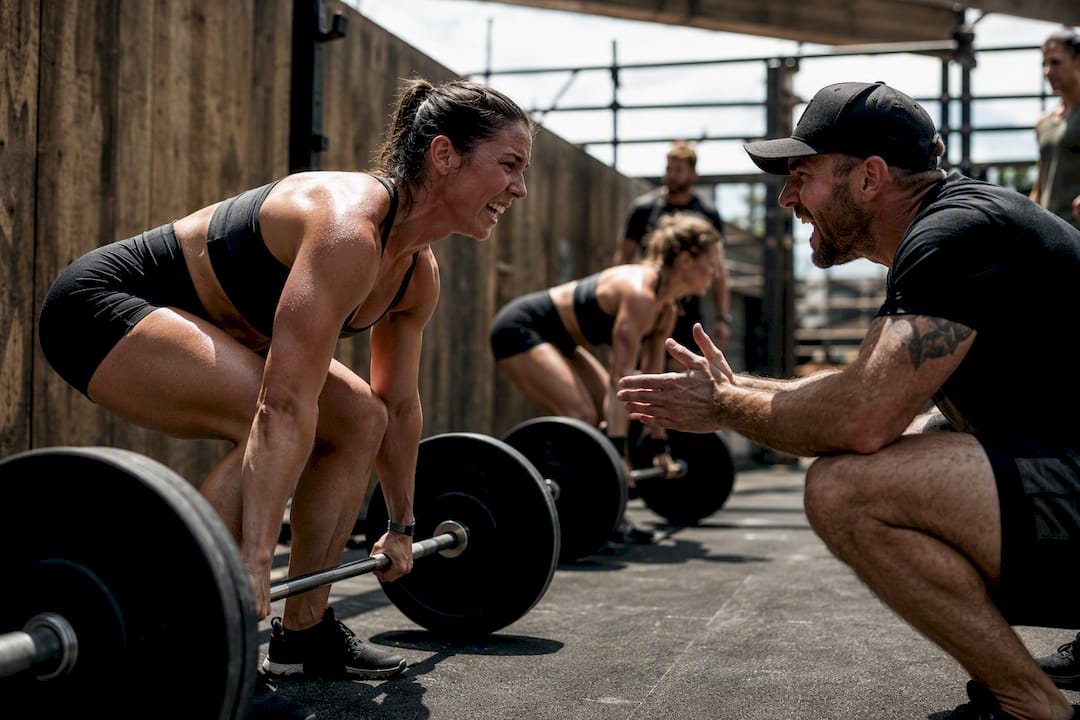
Challenge events. A one-day "test your fitness" benchmark workout with a leaderboard works well for competitive-minded visitors and current members' training partners. Requires a scoring system and a coach dedicated to running heats. Scales well for gyms of any size since you can run it in waves.
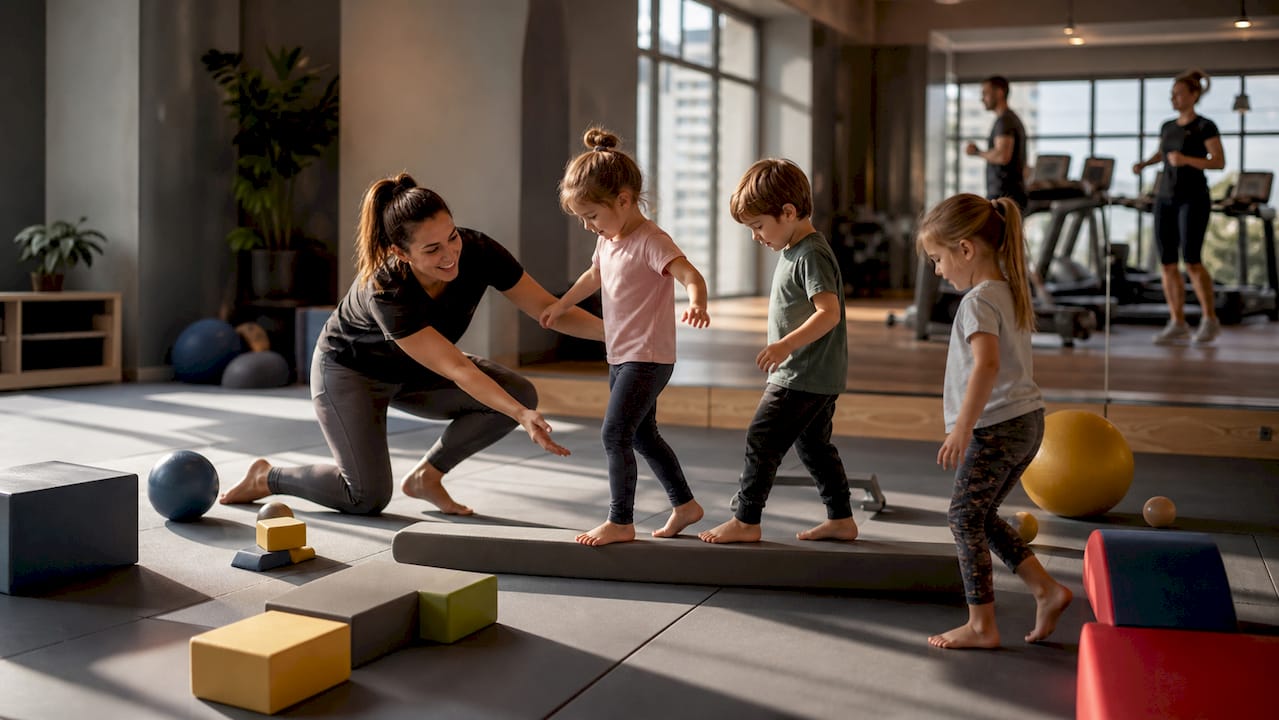
Family-friendly formats. Kids' zone plus a parent workout track, running at the same time in separate areas, brings in whole households instead of just one adult. Needs extra staffing for supervision, but it captures a segment most gyms ignore entirely.
Partner-driven festivals. Bring in a local nutrition brand, a physical therapist, a massage therapist, or a juice bar as vendor booths. This needs outside coordination and lead time, but it multiplies your reach because each partner promotes to their own list. It's the format that scales best for larger facilities with parking and space to spare.
Workshops and education. A 30-minute talk on injury prevention, nutrition basics, or recovery draws a more skeptical, research-driven visitor who wants substance before they'll consider a membership.
Membership-only perks preview. Let non-members sample perks normally reserved for paying clients, like a recovery room or a nutrition consult, to show tangible value beyond the workout floor.
- Bring-a-friend and challenge formats scale well for a single-location gym with a tight budget.
- Festivals and partner events need a bigger footprint and more coordination but pull in a wider radius of new faces.
Pro Tip: Pair every idea with one event-only incentive, like a free session or waived enrollment fee, announced only at the event, not in your ads. It rewards showing up instead of training people to wait for a sale.
What Does a Sample Open House Schedule Look Like?
| Time Slot | Weekday Evening (3 hrs) | Weekend Half-Day | Full-Day Festival |
|---|---|---|---|
| Opening | 5:30 check-in and tours | Morning check-in and tours | Morning check-in, vendor setup |
| Mid-block | Evening demo class | 9:30 demo classes (rotating) | Demo classes, challenge event, kids' zone during the day |
| Consultations | Evening membership consults | 10:30 consults + vendor time | Ongoing consult table throughout |
| Close | Closing offer reminder | Afternoon closing offer reminder | Closing raffle and offer deadline |
- If short-staffed, combine the greeter and tour guide role for the evening format.
- For the full-day festival, rotate coaches in two-hour shifts so no one burns out before the closing push.
- Every template ends with a spoken reminder of the event-only offer and its deadline.
How Do You Promote Your Gym Open House?
Start your promotion runway four to six weeks out with a channel mix: email to your existing list, organic social, targeted Meta ads, local Facebook groups, in-gym signage, and cross-promotion with any partner vendors. Member-driven promotion through referral incentives outperforms paid ads alone for attracting higher-quality attendees, since people trust a friend's invite more than an ad.
Sample RSVP email subject line: "You're invited: [Gym Name]'s open house is [date]." Hook: "Bring a friend, try a class, and walk away with a free week on us." Reminder email subject line: "48 hours left to grab your spot." Social post template (organic): a 15-second reel of your coach setting up the demo floor, captioned with date, time, and a link to RSVP. A second post can be a member testimonial clip inviting followers to bring a guest.
- Run Meta ads with a 5 to 10 mile radius targeting fitness interest and lookalike audiences based on current members.
- Install a conversion pixel on your RSVP landing page before spending a dollar on ads.
- Test two ad creatives, one offer-led and one community-led, and let the data pick the winner.
Gate your free offer behind the RSVP form to capture leads before the event, but leave room for walk-ins with a simpler day-of sign-in. Pairing this with a community event promotion plan keeps your messaging consistent across every channel.
Pro Tip: Send your reminder email the morning of the event, not the night before. Same-day reminders drive noticeably higher show-up rates than a 24-hour warning.
What Incentives and Registration Process Convert Best?
Skip straight discounts. Event-only added value like a free personal training session, a waived enrollment fee, or bundled guest passes protects your long-term pricing while still giving people a reason to act same-day. Frame it as value first: "Sign up today and get your first month plus a free 1-on-1 session," not "20% off."
- RSVP form fields: name, email, phone, and one qualifying question like "What's your main fitness goal?"
- Add digital waiver capture during RSVP so day-of check-in takes seconds.
- Offer time-slot booking for tours if you expect heavy walk-in traffic.
- Keep the registration template short. Five fields maximum, or people abandon the form.
Consider pairing this offer structure with ideas from how gym offers drive more leads to sharpen your exact phrasing before launch.
Pro Tip: Print your offer on a physical card handed out at check-in. People forget verbal offers; they don't lose a card in their pocket.
How Do You Staff and Run the Day Smoothly?
Assign six roles: greeter/check-in, tour guide or class leader, membership consultant, floater/host, photographer for social content, and a designated safety or first-aid contact. Community events run without a conversion plan and clear staffing roles consistently underperform compared to events staffed like an actual sales floor.
- Confirm signage, demo space layout, vendor areas, and a refreshment station the day before.
- Diagram your space and request Additional Insured certificates from any outside vendors, since event insurance and vendor coverage are common gaps that create liability.
- Run a 15-minute morning briefing with a role-play of the guest flow so every staff member knows their handoff script.
- Keep waivers and incident-report forms accessible at the front desk, not buried in a back office.
Case studies of gyms running intentional open houses report 19 to 26 new enrollments in a single day, according to Next Generation Gym Owners, which only happens with clear roles and a plan behind the party atmosphere.
What Should Your Lead Capture Form and Follow-Up Sequence Look Like?
Capture name, email, phone, and program interest at minimum, plus an optional "preferred class times" field to personalize your follow-up. Clean data at intake saves hours of chasing bad numbers later.
- Hour 1: text message thanking them for attending with a direct booking link for their free session.
- Hour 24: email recapping the event-only offer with a deadline reminder.
- Hour 48: personal call or text from the membership consultant they spoke with on-site.
Sales script snippet: "Hey [name], it was great meeting you at [gym]'s open house. You mentioned wanting to work on [goal], want me to grab you a spot in tomorrow's class?" Tag every attendee in your CRM by interest area so automation triggers the right sequence. Consistent four-week planning paired with a 48 to 72 hour follow-up window is what separates gyms that convert most attendees from those that let leads go cold.
Pro Tip: Have consultants text from their own name, not a shared gym number. Personal texts get read; branded blasts get ignored.
How Do You Measure Success and Plan Your Next Event?
Track attendance, qualified leads captured, same-day conversions, and your 30 and 90-day conversion rate to see the real return past opening night. Calculate cost per acquisition by dividing total event spend by new paying members.
| KPI | How to Track It |
|---|---|
| Attendance | Sign-in sheet or digital check-in count. |
| Qualified leads | RSVP form completions with valid contact info. |
| Same-day conversions | Enrollments signed before guests leave. |
| CAC from event | Total spend divided by new paying members. |
Use unique UTM parameters on every promotional link and tag sign-ins by source so you know which channel actually drove the visit. A recommended cadence is two high-production open houses plus two smaller workshops per year, spacing them across seasons to avoid audience fatigue. Platforms like Mindbody and GymMaster both handle event scheduling, class capacity limits, and sign-in attribution, making them useful for tracking which promotions actually filled seats.
An Agency's View: Mapping the Open House to a Paid Funnel
Treat your open house as the top of a paid funnel: ads and organic content drive RSVPs, onsite capture feeds your CRM, and automated follow-up closes the loop. Run this 10-minute audit before your next event:
- Does your RSVP landing page load fast and ask for five fields or fewer?
- Is your follow-up sequence automated, or does it depend on someone remembering?
- Are you tracking which ad creative actually drove sign-ups?
Pro Tip: Turn your best event photo or reel into a paid ad within a week. Real footage from your own floor outperforms stock content every time.
A gym open house without a tracked funnel behind it is just a party with better lighting. The events that build a real member base treat every RSVP like a paid lead, because that's exactly what it is.
What Studio Owners Get Wrong About Open Houses
The two mistakes I see most often: understaffing the door so guests wander in unnoticed, and treating follow-up as optional once the event ends. Both are fixable with almost no extra budget, just planning.
Run two offers or two schedules side by side across different open houses and compare conversion rates before locking in a format. What works in one neighborhood or with one audience segment won't always repeat exactly, and testing beats guessing every time.
Need Help Turning Your Open House Into a Full Funnel?
Running a great event is only half the job. The harder part is turning that foot traffic into paying members without your team scrambling to keep up with follow-up calls, ad retargeting, and CRM tagging. Enoch Marketing builds the paid media, lead funnels, and automation specifically for CrossFit gyms and fitness studios, so your open house feeds a system instead of disappearing into a spreadsheet nobody checks after the first week.
If your last event brought in solid attendance but the follow-up fizzled, that's usually a funnel problem, not a turnout problem. A free strategy session with Enoch Marketing can pinpoint exactly where leads are slipping through, whether that's your landing page, your ad targeting, or your follow-up timing, and map out a plan to fix it before your next open house.
Frequently Asked Questions
How many people should attend a gym open house to call it successful? Success depends on gym size more than raw headcount. A small studio hitting 15 to 20 qualified sign-ups is doing well, while a large facility should aim for 50 or more given its floor space and staffing capacity.
What's the biggest mistake gyms make when planning an open house? Skipping the follow-up plan. An event with great turnout but no structured 48-hour outreach sequence wastes most of the leads it generates.
Should I discount membership prices during an open house? No. Event-only value, like a free personal training session or a waived enrollment fee, converts well without training future members to wait for a sale.
How far in advance should I start promoting a gym open house? Start at least four weeks out for a standard event, and six to eight weeks for a larger festival-style open house with outside vendors.
Can gym management software help run an open house? Yes. Platforms like Mindbody and GymMaster handle event scheduling, capacity limits, and sign-in attribution, which makes tracking attendance and follow-up much easier.
Sources
- Community Events & Open Houses: Turning Foot Traffic Into Members
- The Ultimate Checklist for Planning an Effective Fitness Studio Open House
- The 3 Gym Events Every Owner Should Run (And Why They Work) | PushPress
- How to Plan For a Safe Fitness Event at Your Own Gym - NEXO
- Why Open Houses Still Work (and How to Run One Without Losing Your Mind) - Next Generation Gym Owners